


Introduction
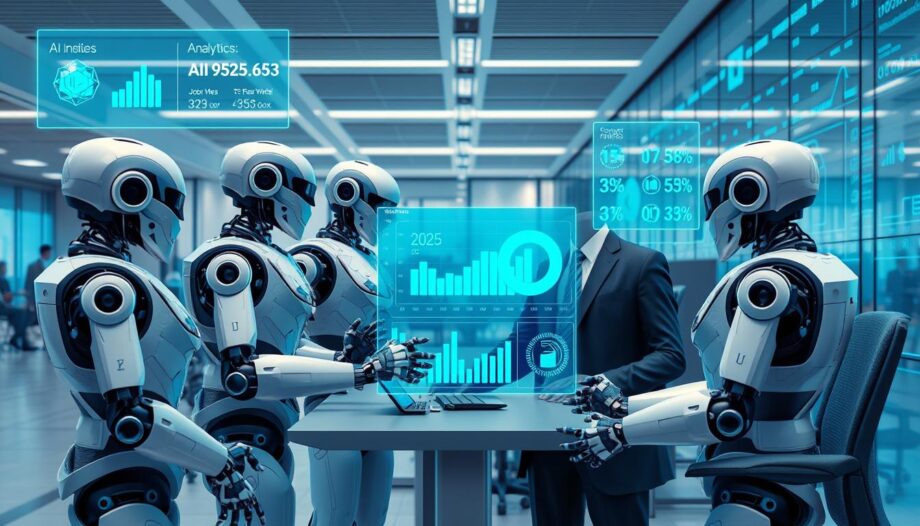
In 2025, robotics and artificial intelligence are driving unprecedented changes across industries worldwide. From manufacturing to healthcare, AI-powered robots optimize efficiency, enhance precision, and reduce operational risks.
Emerging technologies influence global competitiveness, labor dynamics, and innovation strategies. Nations investing in robotics and AI gain strategic advantages in economic growth, technological leadership, and industrial transformation.
Industrial Automation and Smart Factories
Robotic systems perform repetitive and complex tasks with high precision. AI algorithms monitor production lines, predict maintenance requirements, and adapt workflows in real time.
Smart factories leverage robotics and AI to maximize output while minimizing costs and waste. Industrial automation strengthens competitiveness and ensures consistent quality across global supply chains.
Healthcare Robotics and AI Solutions
Robotic surgery, AI diagnostics, and automated patient monitoring transform healthcare delivery. AI-driven analysis enables early detection of diseases and personalized treatment plans.
Hospitals and research institutions integrate robotics to improve efficiency, reduce human error, and enhance patient outcomes. Technological adoption accelerates innovation and accessibility in healthcare services.
Logistics and Supply Chain Optimization
Autonomous vehicles, drones, and AI-powered logistics platforms streamline transportation, warehouse management, and inventory control. Predictive analytics optimize delivery routes and demand forecasting.
Efficiency gains reduce operational costs, minimize delays, and improve service quality. Integration of AI and robotics in logistics enhances global trade competitiveness and operational resilience.
Agricultural Robotics and Precision Farming
AI and robotics support crop monitoring, automated planting, and harvesting. Precision farming techniques optimize irrigation, fertilization, and pest control while reducing labor requirements.
Technological innovation improves productivity, sustainability, and resource management. AI-driven agriculture strengthens food security and supports environmentally responsible farming practices globally.
Collaborative Robotics and Human-Machine Interaction
Cobots work alongside human operators, combining automation with flexibility. AI systems enhance decision-making, safety, and workflow optimization in industrial and commercial settings.
Collaboration fosters innovation, skill development, and adaptability. Human-machine synergy ensures efficiency without compromising safety or creativity in industrial processes.
Research, Development, and Innovation
Continuous investment in AI algorithms, robotic systems, and IoT devices drives technological advancement. Research focuses on adaptability, predictive capabilities, and scalable industrial solutions.
Emerging technologies enable industries to remain competitive while reducing environmental and operational risks. Innovation ensures long-term economic and strategic growth in a technology-driven world.
Global Economic and Strategic Implications
Countries leading in robotics and AI gain industrial and technological influence. Economic growth, trade competitiveness, and geopolitical leverage are closely tied to technological adoption.
Global leadership in AI-driven industries attracts investment, talent, and research partnerships. Nations that prioritize innovation secure both economic and strategic advantages on the international stage.
Workforce Transformation and Education
The rise of robotics and AI reshapes workforce requirements. Training programs focus on technical skills, AI management, and human-robot collaboration.
Reskilling initiatives ensure sustainable adoption while preparing workers for emerging roles. A technologically literate workforce drives innovation and supports industrial modernization.
Ethical, Social, and Regulatory Considerations
AI and robotics raise questions about privacy, safety, bias, and equitable access. Governments and organizations establish ethical frameworks and regulations to guide responsible deployment.
Transparent oversight maintains public trust and ensures compliance. Ethical implementation balances technological advancement with social responsibility and societal well-being.
Integration with Smart Cities and Infrastructure
Robotics and AI optimize urban systems, energy distribution, and public services. Smart infrastructure reduces congestion, improves resource allocation, and enhances citizen experience.
Integration of emerging technologies ensures sustainable urban development while supporting economic and environmental goals. Cities benefit from increased efficiency, safety, and quality of life.
FAQs
How are AI and robotics transforming industries in 2025?
They automate tasks, optimize production, improve healthcare, enhance logistics, and support smart urban systems.
What are the benefits of collaborative robotics?
Cobots combine precision with human adaptability, improving safety, efficiency, and innovation in workplaces.
How does AI impact global economic competitiveness?
Nations adopting robotics and AI gain industrial influence, trade advantages, and technological leadership.
What ethical considerations arise with AI and robotics?
Privacy, bias, safety, equitable access, and transparency are critical for responsible deployment.
How is workforce development adapting to emerging technologies?
Reskilling, technical training, and human-AI collaboration ensure sustainable adoption and innovation.
Conclusion
Robotics and AI in 2025 are transforming industries, economies, and urban systems worldwide. Emerging technologies enhance efficiency, productivity, and global competitiveness while reshaping workforce dynamics.
Looking forward, innovation, ethical deployment, and education will determine long-term success. Countries and organizations that integrate AI and robotics responsibly will lead industrial transformation and secure technological leadership in a rapidly evolving world.