

Introduction
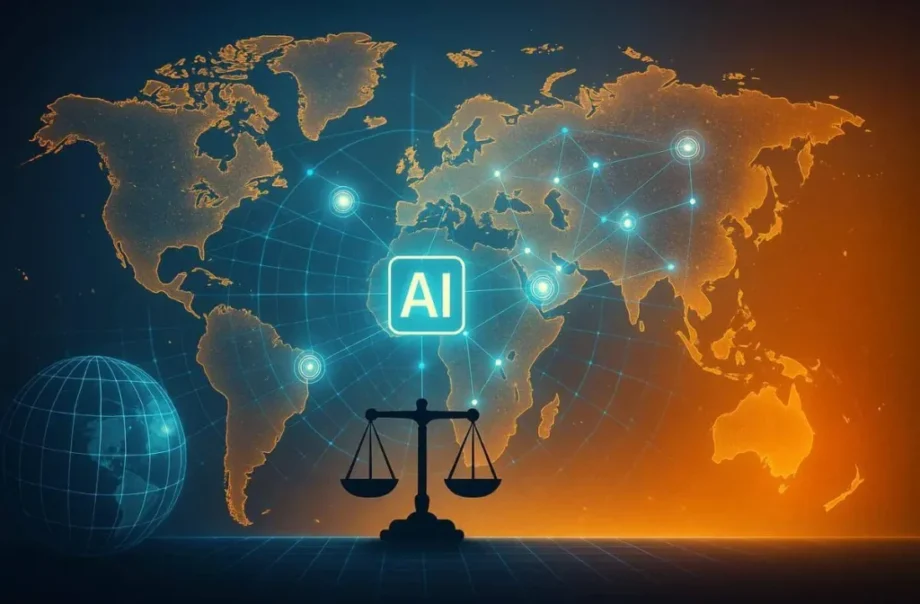
In 2025, artificial intelligence is playing a pivotal role in shaping global policy, influencing governance, diplomacy, and international decision-making. Governments integrate AI for predictive analytics, policy simulations, and real-time monitoring of socio-economic indicators.
AI’s integration extends to global security, trade, and environmental policy, redefining traditional governance. Nations adopting AI-driven strategies gain strategic leverage, economic efficiency, and international influence.
AI in Governance and Policy-Making
AI systems process large-scale data to guide legislation, economic policies, and social programs. Predictive models identify risks, optimize resource allocation, and support evidence-based decision-making.
Data-driven governance enhances efficiency, transparency, and accountability. AI provides policymakers with insights that were previously unavailable, improving strategic planning and risk management.
Global Security and Cyber Policy
AI technologies enhance surveillance, threat detection, and cybersecurity. Nations employ AI to prevent cyber-attacks, protect critical infrastructure, and monitor global security risks.
While AI strengthens defense, adversarial technologies raise concerns about espionage, misinformation, and geopolitical instability. Balanced policies are necessary to mitigate risks while leveraging AI’s capabilities.
Economic Policy and AI Integration
AI supports economic modeling, trade forecasting, and market analysis. Governments and international institutions utilize AI to optimize fiscal policies, manage investments, and predict global market shifts.
Economic strategies guided by AI enhance competitiveness, inform trade negotiations, and strengthen national financial stability. AI-driven economic policy becomes an essential tool in navigating complex global markets.
Environmental and Climate Policy
Machine learning and AI-based simulations support climate agreements, resource management, and disaster preparedness. Predictive models assess environmental risks and guide sustainable policy interventions.
AI facilitates data-driven climate action, reducing environmental impact while aligning national and international objectives. Technology-driven environmental policies improve resilience and support global cooperation.
AI in International Diplomacy
AI tools analyze geopolitical trends, diplomatic communications, and global economic indicators. Governments leverage these insights to inform negotiations, alliance formation, and crisis response.
Predictive analytics enhance strategic decision-making in diplomacy, allowing proactive rather than reactive responses. AI becomes a critical component of modern international relations and policymaking.
Ethical, Legal, and Regulatory Considerations
AI adoption raises questions of privacy, accountability, bias, and global governance. Nations establish ethical frameworks, regulations, and international standards to ensure responsible deployment.
Transparency and compliance are essential to maintain public trust, avoid misuse, and foster equitable access. Ethical governance ensures AI contributes positively to policy and society.
Public Engagement and Transparency
Educating citizens about AI in governance promotes trust, understanding, and participation. Public awareness campaigns highlight benefits, limitations, and policy implications.
Informed societies contribute to effective implementation and oversight. Civic engagement ensures that AI supports democratic principles and responsible decision-making.
Technology in Crisis Management
AI aids in disaster response, economic recovery, and conflict mitigation. Real-time analytics, predictive modeling, and automated coordination enhance efficiency and strategic planning.
Timely intervention based on AI insights reduces risk, saves resources, and mitigates global crises. Technology integration strengthens both domestic resilience and international cooperation.
International Collaboration and Policy Harmonization
Countries collaborate to standardize AI ethics, ensure cybersecurity, and promote cross-border technology use. Multilateral treaties guide responsible development and deployment.
Global cooperation reduces conflict risk, promotes innovation, and ensures equitable access to AI technologies. Harmonized policies facilitate shared benefits while minimizing geopolitical tensions.
FAQs
How does AI influence global policy?
By providing predictive analytics, evidence-based insights, and real-time monitoring for governance, security, and economic planning.
What are the security implications of AI adoption?
AI enhances cybersecurity and threat detection but poses risks of espionage, misinformation, and geopolitical instability.
How does AI support economic policy?
Through predictive market analysis, trade optimization, fiscal modeling, and investment planning.
Why is ethical and legal oversight necessary?
To ensure transparency, accountability, fairness, and responsible use across national and international applications.
How does AI facilitate international collaboration?
It supports policy harmonization, data-sharing, and coordinated strategies for crisis management, security, and development.
Conclusion
AI in 2025 is reshaping governance, diplomacy, and policy-making on a global scale. Its applications enhance efficiency, strategic planning, and international collaboration across multiple sectors.
Looking forward, nations that prioritize ethical implementation, technological innovation, and global cooperation will shape the future of international relations. AI-driven policy decisions will be crucial in navigating complex global challenges and securing sustainable development.