


Introduction
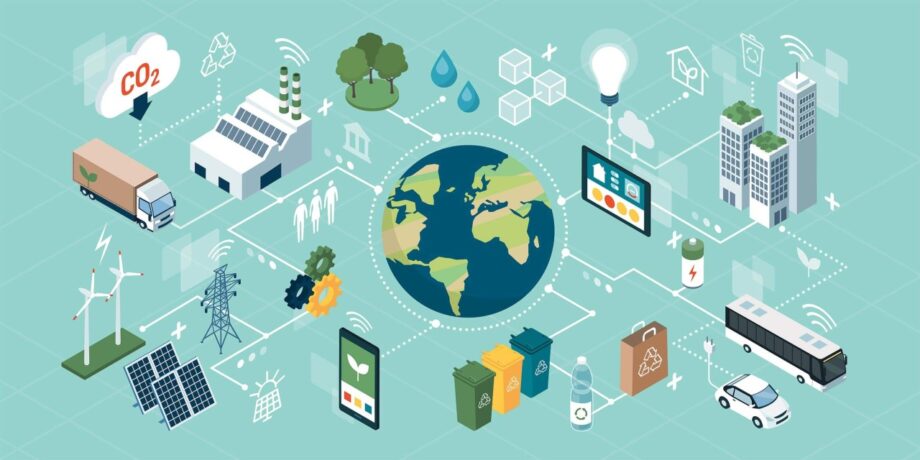
In 2025, climate technology is transforming how nations address environmental challenges, from renewable energy to carbon capture and climate monitoring. Emerging innovations provide scalable solutions for both mitigation and adaptation.
These technological advancements influence international agreements, policy frameworks, and global economic strategies. Countries investing in climate tech gain both environmental and strategic advantages.
Renewable Energy and Smart Grids
Solar, wind, and hydroelectric technologies are increasingly integrated into national grids. AI-powered energy management systems optimize consumption, distribution, and storage.
Smart grids reduce waste, enhance efficiency, and support sustainable energy transitions. Adoption of renewable energy technologies strengthens energy security and reduces greenhouse gas emissions globally.
Carbon Capture and Emission Reduction
Innovations in carbon capture, utilization, and storage (CCUS) mitigate industrial emissions. AI algorithms monitor carbon flows and optimize sequestration processes for maximum impact.
Effective deployment reduces atmospheric carbon levels, supports regulatory compliance, and contributes to international climate commitments. Technological integration enables scalable and efficient carbon reduction strategies.
Climate Monitoring and Predictive Analytics
Satellite monitoring, IoT sensors, and AI models provide real-time climate data and predictive insights. Governments and organizations use analytics to anticipate extreme weather events and assess climate risks.
Predictive technologies improve disaster preparedness, resource allocation, and policy decision-making. Data-driven approaches enhance resilience and support sustainable urban and rural planning.
Sustainable Agriculture and Food Security
AI and robotics optimize crop management, irrigation, and supply chain efficiency. Precision farming techniques reduce resource consumption, increase yield, and support global food security.
Technological innovation ensures sustainable agricultural practices while addressing climate impacts. Adoption of climate-smart solutions strengthens resilience in vulnerable regions worldwide.
Water Resource Management
Advanced technologies monitor water quality, distribution, and consumption. AI systems predict shortages, optimize allocation, and support conservation efforts.
Sustainable water management enhances agricultural productivity, supports human health, and reduces conflicts over scarce resources. Technology is essential in addressing global water security challenges.
Disaster Preparedness and Response
AI-driven early warning systems, drones, and robotics assist in disaster monitoring, evacuation planning, and emergency response. Predictive models enable rapid and efficient interventions.
Technological integration minimizes human and economic losses during natural disasters. Coordinated global efforts enhance preparedness and resilience in climate-affected regions.
Economic Implications of Climate Technology
Investments in climate technology drive innovation, create jobs, and attract global capital. Economies embracing sustainable tech gain competitive advantages in green industries.
Transitioning to climate-resilient infrastructure supports long-term economic stability and international trade competitiveness. Technological adoption aligns economic growth with environmental stewardship.
International Collaboration and Policy Integration
Global partnerships facilitate research, knowledge exchange, and standardized implementation of climate technologies. Multilateral agreements ensure equitable access and shared innovation.
Collaborative initiatives enhance global climate response, reduce conflict risks, and foster trust. International coordination strengthens both technological and diplomatic outcomes.
Public Engagement and Education
Raising awareness about climate technology encourages adoption, sustainable behavior, and civic participation. Educational campaigns inform communities about environmental impact and technological solutions.
Engaged citizens contribute to the effectiveness of climate initiatives. Public understanding supports policy implementation, investment decisions, and community resilience.
Media and Technological Awareness
Media coverage highlights breakthroughs, policy developments, and success stories in climate technology. Informed reporting fosters accountability, investment, and public participation.
Media visibility drives international cooperation, technological adoption, and social responsibility. Awareness campaigns ensure climate innovation has both societal and environmental impact.
FAQs
What is climate technology?
Technologies that mitigate climate change, optimize resource use, and support sustainable development.
How does AI support environmental initiatives?
AI optimizes energy use, predicts climate risks, manages resources, and enhances disaster response efficiency.
What role does international collaboration play?
Shared research, standardization, and equitable access ensure effective global implementation of climate technologies.
How does climate technology impact the economy?
It drives innovation, creates green jobs, enhances competitiveness, and supports sustainable growth.
Why is public engagement important for climate tech adoption?
Informed citizens adopt sustainable practices, support policy initiatives, and strengthen community resilience.
Conclusion
Climate technology in 2025 is a critical tool for addressing global environmental challenges. Innovations in renewable energy, carbon management, and predictive analytics enhance resilience and sustainability worldwide.
Looking ahead, international collaboration, investment in research, and public awareness will determine the success of climate initiatives. Nations prioritizing technological innovation and responsible adoption will lead in both environmental protection and global economic strategy.